Most homeowners rarely give a second thought to their sewer lines until something goes terribly wrong. It is a classic case of out of sight, out of mind, but the reality is that the sewer line repair in Torrance is one of the most vital components of your home’s infrastructure. When a sewer line fails, the resulting damage can be catastrophic, leading to contaminated yards, ruined basements, and repair bills that can easily reach five figures. However, many of the most common causes of sewer failure are entirely preventable. By implementing a few simple habits and scheduling regular professional check-ups, you can ensure that your waste management system remains functional for decades, saving yourself from the stress and financial burden of an emergency excavation.
Mindful Disposal Habits in the Kitchen and Bathroom
The easiest and most effective way to protect your sewer line begins at the drain. Many homeowners treat their sinks and toilets as universal disposal units, but the sewer system is actually quite delicate. In the kitchen, the biggest enemy of a clear sewer line is fat, oil, and grease. When these substances are poured down the drain in a liquid state, they eventually cool and solidify further down the line. Over time, this grease acts like a magnet for other debris, creating a concrete-like blockage known as a fatberg. Instead of rinsing pans in the sink, wipe them with a paper towel or pour excess grease into a dedicated container for disposal in the trash.
The bathroom requires equal vigilance. Despite what product packaging might claim, so-called flushable wipes do not disintegrate in the same way that toilet paper does. They frequently get caught on small imperfections in the pipe, acting as a net that captures other waste and creates a stubborn backup. The same rule applies to feminine hygiene products, cotton swabs, and paper towels. Keeping a small trash bin in the bathroom is a simple preventative measure that can save you from an expensive visit from a rooter service.
Strategic Landscaping and Root Management
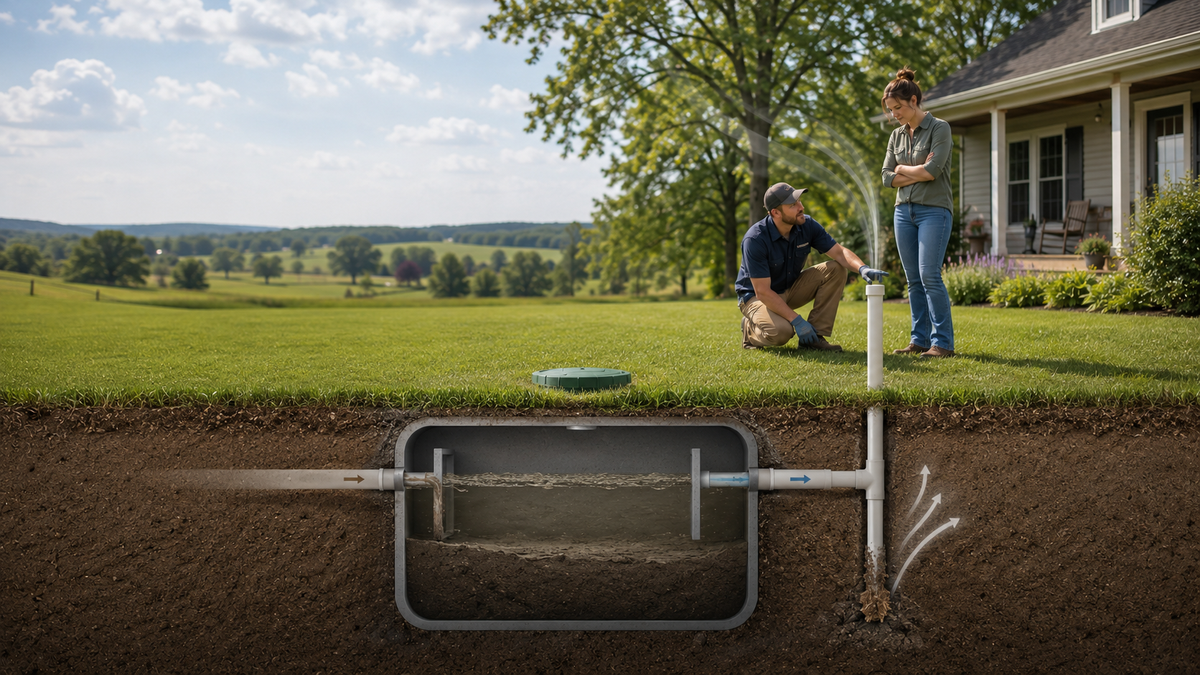
Tree roots are one of the leading causes of structural damage to underground sewer lines. Roots are naturally drawn to the moisture and nutrients found inside sewer pipes, and even the smallest crack or loose joint can provide an entry point. Once a tiny root hair finds its way inside, it can grow rapidly, eventually filling the diameter of the pipe or even breaking it apart entirely. When planting new trees or shrubs, it is essential to know exactly where your sewer line is located.
Homeowners should select slow-growing species with non-invasive root systems for any areas near the sewer path. If you already have large, mature trees on your property, you should consider a proactive approach to root management. This might include the occasional application of copper sulfate or other root-foaming agents that are designed to kill roots within the pipe without harming the tree itself. Being aware of the “green zone” above your sewer line and keeping it free of thirsty vegetation is a critical step in long-term pipe preservation.
The Value of Annual Professional Inspections
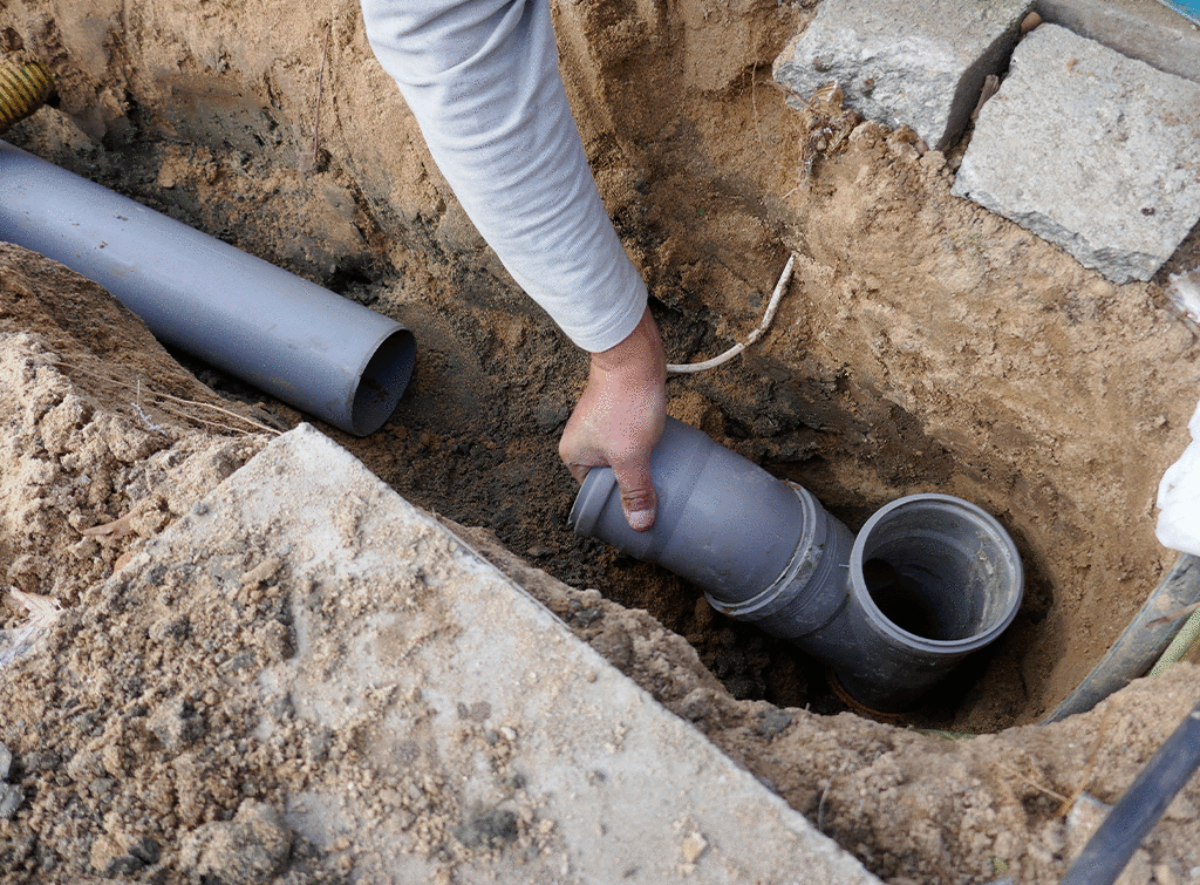
While daily habits are important, there are some issues that only a professional can detect. One of the best investments a homeowner can make is an annual or biennial sewer camera inspection. A plumber can thread a high-definition camera through your line to check for early signs of trouble, such as minor cracks, sagging sections, or the very beginning of root intrusion. Detecting these problems early allows for simple, non-invasive repairs like pipe lining, rather than the massive excavation required when a pipe finally collapses.
In addition to inspections, periodic professional cleaning can keep the line in peak condition. Hydro-jetting is a popular preventative service that uses high-pressure water to scour the inside of the pipes, removing grease buildup and small roots before they turn into a full blockage. Think of this as a professional dental cleaning for your home’s plumbing. It clears out the “plaque” that naturally accumulates over years of use, ensuring that the full diameter of the pipe is available for drainage.
Conclusion
Preventative maintenance for your sewer line is rarely glamorous, but it is one of the most rewarding forms of home care. By being mindful of what goes down your drains, managing the vegetation on your property, and partnering with a professional for regular inspections, you can turn a potential emergency into a non-issue. The cost of a few enzyme treatments or a camera inspection is a drop in the bucket compared to the thousands of dollars required to replace a collapsed main line. Taking these proactive steps today ensures that your home remains a clean, functional sanctuary and protects the equity you have worked so hard to build.
About the Author