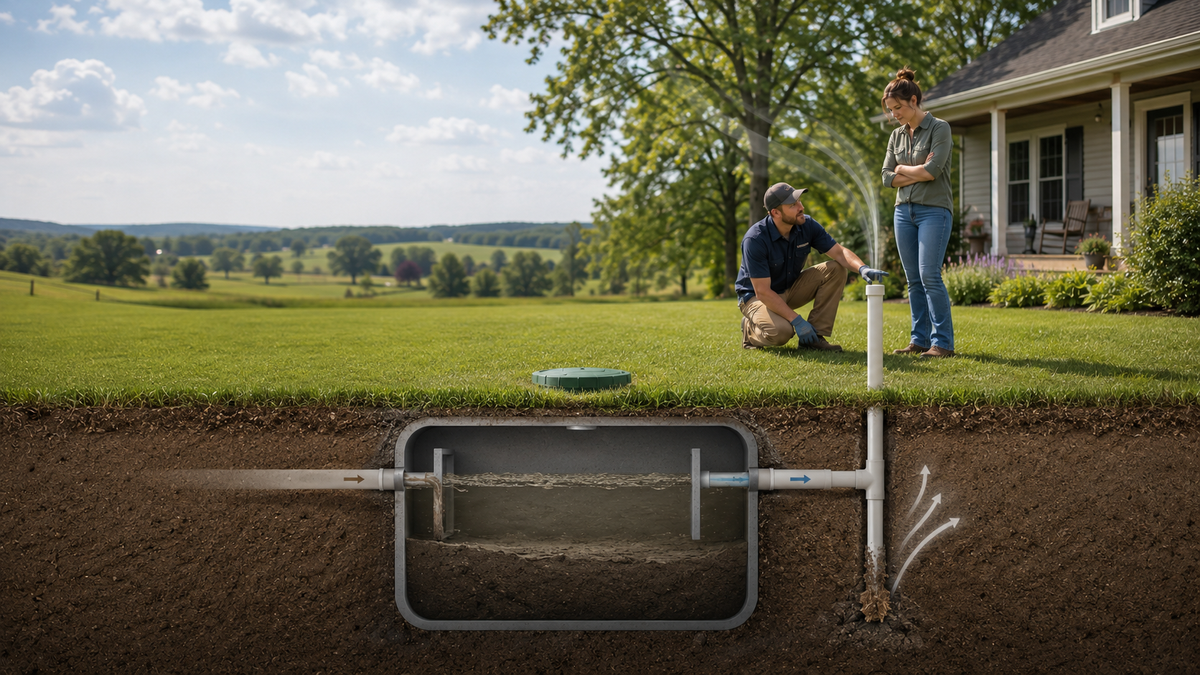
Living with a septic system usually means out-of-sight, out-of-mind operation, right up until a foul, unmistakable smell begins to drift into your living space or linger across your backyard. While many homeowners immediately assume that a foul odour indicates a full tank or a failing drain field, the true culprit is often much simpler and far less costly to fix: a failure in the ventilation system. Septic tank ventilation plays a vital role in equalizing air pressure within your home plumbing and guiding hazardous sewer gases safely away from living areas.
Understanding how these vent systems function and learning how to diagnose and repair vent-related issues can quickly restore fresh air and peace of mind to your home. When experiencing unexpected sewage backups or slow drains, finding a reliable specialist for septic tank repair near me can prevent minor pipe issues from turning into major property damage.
Common Signs of a Septic Vent Problem
A persistent foul odour inside or outside your home is the most obvious sign of a ventilation failure, but it is rarely the only indicator. Recognizing secondary symptoms early can help you pinpoint the precise nature of the blockage before noxious air becomes overwhelming.
Indoors, you might notice slow-draining sinks or toilets that gurgle after flushing. This gurgling sound occurs when wastewater pulling through the pipes cannot draw air from the roof stack, so it pulls air through the trap water in nearby fixtures instead. You may also notice that odours are stronger on windy days or during specific seasons, which often points to air pressure downdrafts around roof vents or temperature-related blockages like ice caps. Outdoors, a strong sewer smell near the tank, patio, or yard usually indicates an exterior vent pipe issue or an unsealed tank riser cap.
Unblocking the Roof Vent Stack
The primary vent stack on your roof is the most frequent site of ventilation failures. Because it opens directly to the sky, it is constantly exposed to falling leaves, pine needles, bird nests, small animal activity, and accumulating winter snow or ice.
Repairing a blocked roof stack begins with a safe inspection of the rooftop. After securing proper safety equipment, inspect the top of the vent pipe for visible debris. You can often remove superficial blockages, such as leaves or nests, using a pair of gloved hands or a flexible retrieving tool. For blockages deeper inside the pipe, running a plumber snake or a high-pressure sewer jetter hose down through the roof opening will usually break up compacted materials.
In cold climates, frost closure is another common problem. Moist air rising from the warm septic tank can freeze near the top of the cold roof pipe, gradually sealing it shut. Installing an insulated vent sleeve or increasing the pipe diameter where it passes through the attic can prevent frost from building up again in the future.
Replacing Faulty Air Admittance Valves
Not all septic ventilation relies entirely on roof stacks. Many modern homes utilize Air Admittance Valves, often called cheater vents, under sinks or inside utility closets. These one-way mechanical valves open to let air in when water drains, preventing a vacuum, and then snap shut under gravity to keep sewer gases from escaping into the room.
Over time, the spring or rubber seal inside an Air Admittance Valve can wear out, stick open, or accumulate debris. When this happens, sewer gas leaks directly into the room where the valve is located, particularly under kitchen or bathroom sinks. Diagnosing a faulty valve is straightforward: if you smell a strong sewer odour inside a cabinet containing a mechanical vent, the valve has likely failed. Replacing it is a quick repair that involves unscrewing the old unit from its threaded adapter, applying plumber tape to the threads, and hand-tightening a new valve in its place.
Conclusion
Persistent septic odours are more than an unpleasant inconvenience; they are a sign that your system’s pressure regulation and gas evacuation pathways need attention. By systematically checking roof vent stacks for debris, replacing worn air admittance valves, sealing ground-level tank components, and using carbon filters for stubborn outdoor downdrafts, you can resolve the vast majority of ventilation issues on your own. Addressing these small airflow disruptions promptly keeps your plumbing running smoothly, protects indoor air quality, and ensures your home remains fresh and comfortable.
About the Author