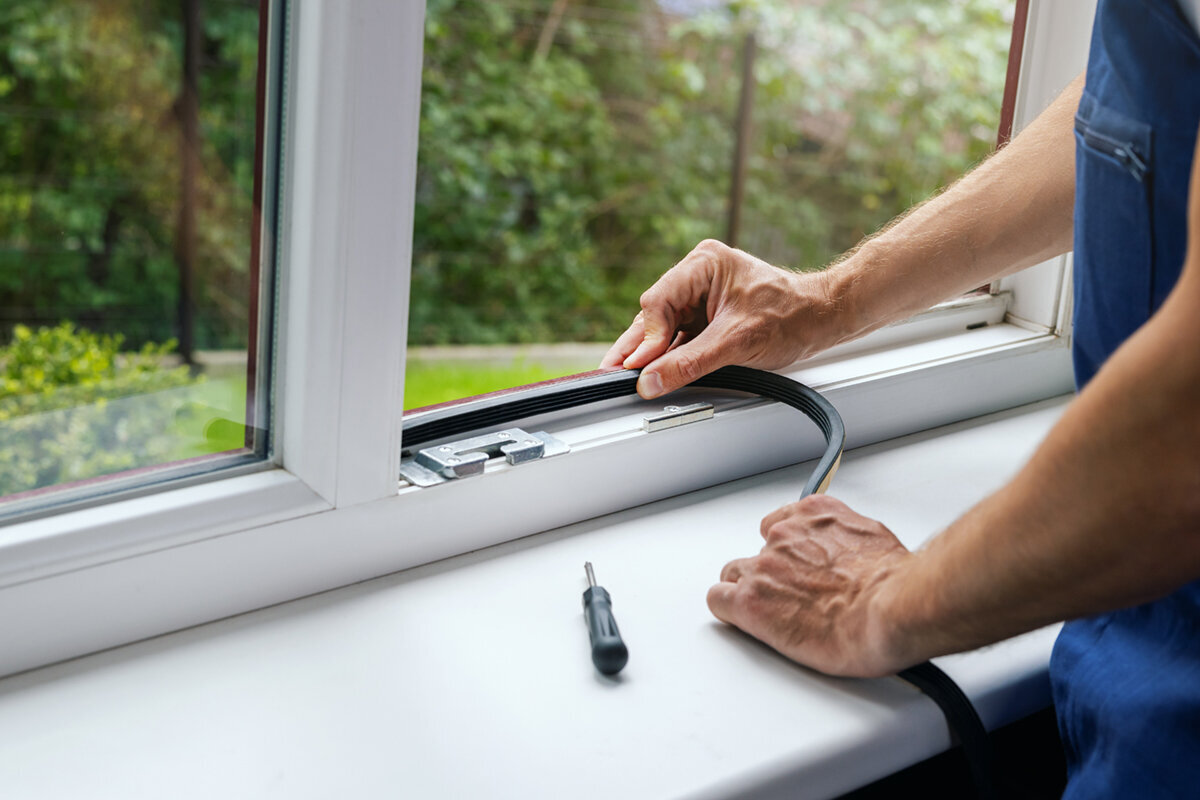
Windows in San Diego take a daily beating from sun, rain, temperature swings, and general wear. Many problems — a stuck latch, a torn screen, a drafty seal — can be fixed with a simple repair. But some issues go deeper than the surface, and no amount of caulking, painting, or hardware replacement will solve them. Here are seven window problems that almost always mean it’s time for full window replacement in San Diego.
Failed Seals and Fogging Between Panes
Modern double- and triple-pane windows rely on a sealed gap filled with inert gas (usually argon) to insulate your home. When that seal breaks down, moisture seeps in and condenses between the panes, creating a permanent foggy or cloudy appearance. This isn’t a cleaning problem — the moisture is trapped inside glass that can’t be opened. Once a seal fails, the insulating gas has also escaped, so the window’s energy efficiency drops sharply. The only real fix is replacing the glass unit or the entire window.
Warped, Rotted, or Termite Damaged Frames
Wood window frames are especially vulnerable to moisture damage. Over years of exposure, water can seep into the wood, causing it to swell, warp, or rot from the inside out. A warped frame no longer holds the window square, which means it won’t open, close, or seal properly no matter how much you sand or repaint it. Once rot has set into the structural wood, patching or filling it is a short-term cosmetic fix at best — the compromised wood will keep failing.
Termite damage can hollow out a wood frame from within, leaving it structurally unsound, even if it looks good from the outside. Once termites have compromised the wood’s integrity, the frame can no longer safely support the window. This is a safety issue as much as a functional one, and window replacement is the only responsible fix.
Cracked or Shattered Glass in Multi-Pane Units
A single crack in a basic single-pane window can sometimes be repaired with glass replacement alone. But in an insulated glass unit (IGU), a crack often means the whole window needs replacing, since the crack compromises the seal and the unit’s structural integrity. Spiderweb cracking, especially from impact or extreme temperature stress, is a clear sign that repair isn’t a lasting option.
Frame Damage from Severe Weather or Impact
Hailstorms, falling branches, and high winds can dent, crack, or structurally weaken a window frame, particularly vinyl and aluminum frames. Once a frame is bent or cracked, it can’t properly support the glass or maintain an airtight fit. Attempting to force a damaged frame back into shape typically just creates new gaps and weak points.
Persistent Air and Water Leaks After Repair Attempts
If you’ve already re-caulked, re-weatherstripped, or resealed a window and it’s still letting in drafts or water, the underlying problem likely isn’t the seal — it’s the window itself. This often points to a warped sash, a frame that’s shifted out of square, or deteriorated materials that no longer hold a tight seal. Recurring leaks despite repeated fixes are one of the clearest signals that window replacement, not another repair, is the answer.
Outdated, Single-Pane Windows
Some older single-pane windows are technically still “working” — they open, close, and hold glass — but they offer little to no insulation and can’t be retrofitted with modern energy-efficient glazing. In these cases, the issue isn’t damage but obsolescence: the window is doing its job poorly by today’s standards, and no repair or upgrade will make single-pane glass perform like a modern double-pane window.
Conclusion
Window repairs make sense for minor problems, like a broken lock or a torn screen. But when the glass seal has failed, the frame has rotted or warped, or leaks persist despite repeated fixes, window replacement in San Diego is often the only solution. Recognizing these signs early can save you money on repairs that were never going to hold and help you plan for a replacement before the problem affects your home’s comfort or energy bills.
About the Author