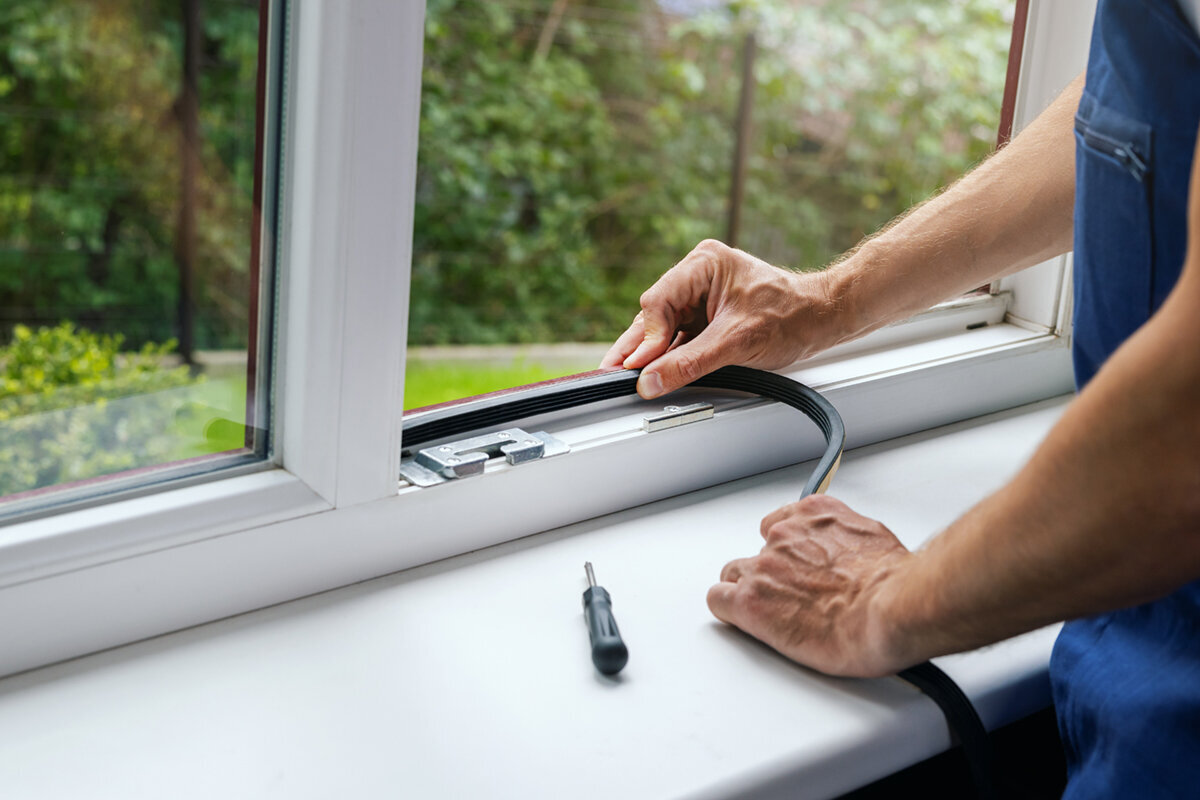
The screen door repair in Los Angeles is a staple of residential architecture, serving as a functional bridge between the comfort of the indoors and the freshness of the outside world. It allows for natural ventilation while keeping unwanted pests and debris at bay. However, because screen doors are lightweight and frequently used, they are often the first part of a home’s exterior to show signs of wear and tear. A sagging frame, a torn mesh, or a stubborn latch can quickly turn a convenient feature into a daily annoyance. Understanding the most common problems and their straightforward solutions can help homeowners maintain their screen doors without the need for expensive professional intervention.
Addressing Tears and Holes in the Mesh
Perhaps the most common issue with residential screen doors is physical damage to the mesh itself. Whether caused by an excited pet, a stray tree branch, or general age-related brittleness, even a small hole can render the door ineffective at keeping insects out. Many homeowners assume that a small tear necessitates an entirely new door, but most mesh problems can be resolved with a simple rescreening process.
For small punctures, adhesive-backed screen patches are available that can be applied directly over the hole. However, for larger tears or aesthetic consistency, replacing the entire screen cloth is usually the best route. This involves removing the rubber spline—the thin cord that holds the mesh in the frame—using a specialized rolling tool. After laying a new piece of fiberglass or aluminum mesh over the frame, the spline is pressed back into the groove, pulling the material taut. The key to a professional look is to ensure the mesh is even and tensioned correctly before trimming the excess with a sharp utility knife.
Fixing Sagging Frames and Alignment Issues
Over years of constant use, gravity and the shifting of the home can cause a screen door to sag or lose its rectangular shape. When a door sags, it may drag against the threshold or fail to close properly within the doorjamb. This is particularly common in wooden screen doors, but even metal frames can become misaligned if the corner braces loosen over time.
A common and effective solution for a sagging door is the installation of a turnbuckle or an anti-sag gate kit. This device consists of a long metal rod with a threaded center that is installed diagonally across the door frame. By tightening the turnbuckle, the lower corner of the door is pulled upward, restoring the frame to a perfect square. For metal doors, checking the tighteness of the screws in the corner gussets can often solve the problem. If the door is hitting the frame at the top or bottom, adjusting the hinges or adding thin shims behind them can help realign the door so it swings freely once more.
Conclusion
Maintaining a residential screen door does not require a background in advanced carpentry, but it does require a bit of patience and attention to detail. By addressing small issues like minor tears, loose hinges, or slight misalignments as soon as they appear, homeowners can prevent these minor inconveniences from escalating into structural failures. A well-maintained screen door not only enhances the curb appeal of a home but also improves the quality of life for its residents by inviting the outdoors in while keeping the pests out.
About the Author