From Blueprint to Brick: The Art of Building Houses That Last
Building a house is more than just constructing walls and a roof. It’s an art that blends creativity, engineering, and craftsmanship to create a structure that stands the test of time. A well-built home is not just a shelter, it’s an investment in durability, comfort, and legacy. But how do you ensure that the house you build will last for generations? The answer lies in careful planning, quality materials, skilled labor, and an understanding of architectural principles.
In this guide, we’ll explore the journey from blueprint to brick, examining the key steps and considerations that transform a vision into a lasting home.
—
The Foundation of Durability: Planning and Design
Before a single brick is laid, the foundation of a lasting home is laid in the planning phase. Skilled architects and engineers work together to design a structure that is not only aesthetically pleasing but also structurally sound.
Key Elements of a Strong Design
- Site Analysis: Understanding the terrain, climate, and local building codes ensures that the home is built to withstand environmental challenges.
- Functional Layout: A well-thought-out floor plan maximizes space efficiency while ensuring ease of movement and natural lighting.
- Future-Proofing: Designing with modularity in mind allows for expansions or renovations without compromising structural integrity.
- Sustainability Considerations: Incorporating eco-friendly materials and energy-efficient designs reduces long-term maintenance costs and environmental impact.
A poorly designed home, no matter how well-built, may face issues like poor ventilation, structural weaknesses, or high utility bills. On the other hand, a thoughtfully designed home adapts to the needs of its inhabitants and the changing world.
—
Choosing the Right Materials: Quality Over Quantity
The materials used in construction play a crucial role in determining how long a house will last. High-quality materials resist wear and tear, pests, and environmental damage, ensuring longevity.
Essential Materials for a Lasting Home
- Brick and Stone: These natural materials are durable, fire-resistant, and provide excellent insulation. They are less prone to warping or rotting compared to some modern alternatives.
- Steel and Reinforced Concrete: Used in load-bearing structures, these materials offer strength and flexibility, making them ideal for foundations and load-bearing walls.
- Engineered Wood: Treated to resist moisture and pests, engineered wood is a sustainable alternative to traditional lumber while maintaining durability.
- High-Quality Insulation: Proper insulation prevents moisture buildup, reduces energy costs, and protects against temperature fluctuations.
- Roofing Materials: Metal roofing, slate, or high-grade asphalt shingles are long-lasting and weather-resistant, protecting the home from rain, snow, and UV damage.
Using inferior materials may save money upfront but can lead to costly repairs and replacements over time. Investing in quality ensures that the home remains structurally sound for decades.
—
The Role of Skilled Craftsmanship in Construction
No amount of planning or high-quality materials can compensate for poor craftsmanship. The hands that build a home determine its strength, safety, and longevity.
Why Expert Builders Matter
- Precision in Measurements: Even the smallest errors in alignment can lead to structural issues over time.
- Proper Installation Techniques: Whether it’s framing, plumbing, or electrical work, correct installation prevents leaks, electrical hazards, and other problems.
- Attention to Detail: Skilled workers ensure that every joint, seal, and connection is secure, reducing the risk of future damage.
- Adherence to Building Codes: Experienced builders follow local regulations, ensuring the home meets safety and durability standards.
Hiring licensed and experienced contractors is one of the best ways to guarantee a well-built home. Cutting corners on labor can lead to costly mistakes that shorten the lifespan of the structure.
—
Structural Integrity: The Backbone of a Lasting Home
A home’s structural system must support its weight, resist external forces, and adapt to environmental changes. Without proper structural design, even the most beautiful home can collapse over time.
Critical Structural Components
- Footings and Foundations: The foundation must be deep enough to avoid shifting soil and strong enough to support the entire structure. Poor foundations lead to cracks, sagging, and even collapse.
- Framing: The skeleton of the home, whether wood, steel, or concrete, must be correctly aligned and reinforced to distribute weight evenly.
- Load-Bearing Walls: These walls support the roof and upper floors. Removing or weakening them without proper reinforcement can compromise the home’s stability.
- Roofing and Trusses: A well-designed roof prevents water damage, snow accumulation, and wind uplift. Properly installed trusses ensure the roof remains secure.
- Seismic and Wind Resistance: In areas prone to earthquakes or hurricanes, reinforced structures and proper bracing are essential.
Regular inspections by structural engineers can identify potential issues before they become major problems. This proactive approach extends the home’s lifespan significantly.
—
Weatherproofing and Maintenance: Protecting Your Investment
Even the most durable home requires maintenance to ensure it remains in top condition. Weatherproofing is a critical step in preventing water damage, mold growth, and structural deterioration.
Essential Weatherproofing Measures
- Proper Waterproofing: Applying waterproof membranes to basements, roofs, and exterior walls prevents moisture seepage.
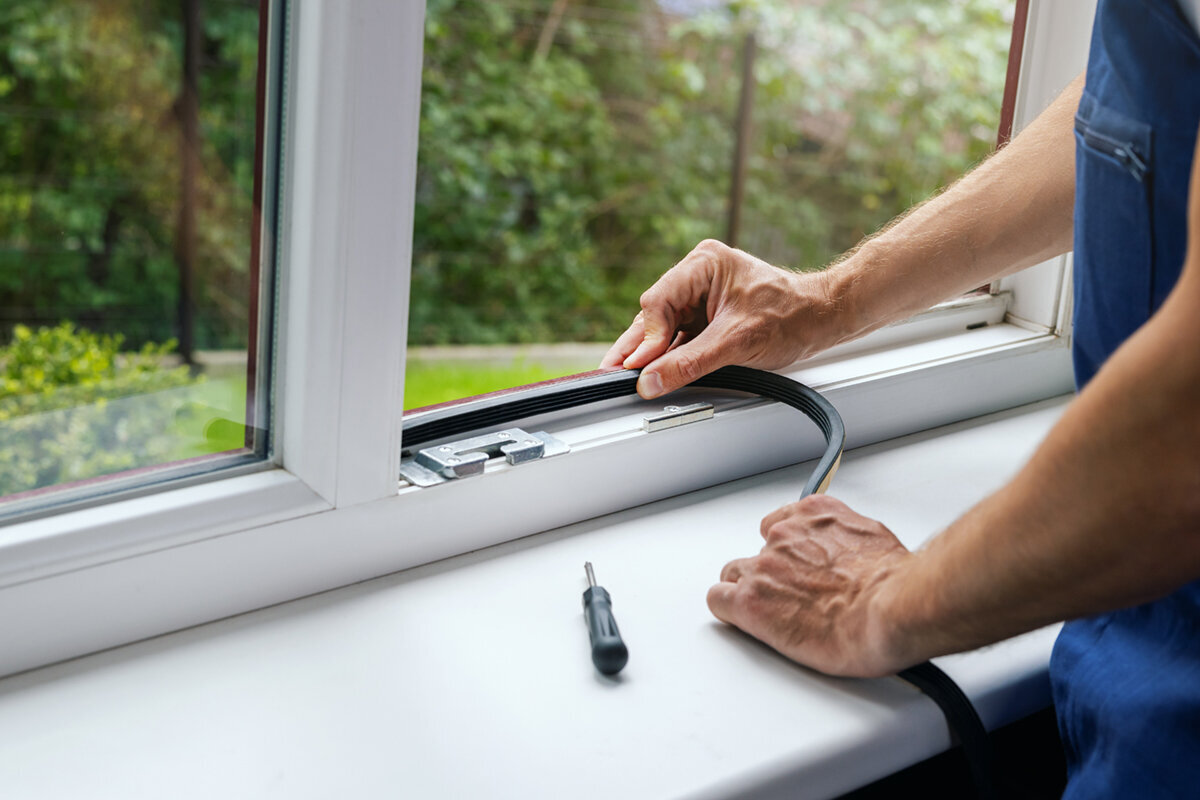
- Sealing Gaps and Cracks: Small openings allow water, pests, and drafts to enter. Caulking and weatherstripping seal these gaps effectively.
- Drainage Systems: Gutters, downspouts, and graded landscaping direct water away from the foundation, preventing erosion and flooding.
- Ventilation: Attics, crawl spaces, and basements need proper airflow to prevent condensation and mold growth.
Long-Term Maintenance Tips
- Regular Inspections: Check for signs of wear, such as cracks, sagging roofs, or leaking pipes.
- Painting and Coating: Protecting wood and metal surfaces with paint or sealants prevents rust and rot.
- Pest Control: Termites and rodents can cause significant damage. Regular treatments keep them at bay.
- HVAC Maintenance: Keeping heating and cooling systems in good condition improves energy efficiency and prevents breakdowns.
Neglecting maintenance may seem like a minor inconvenience now, but it can lead to expensive repairs and shorten the home’s lifespan.
—
The Legacy of a Well-Built Home
Building a house that lasts is about more than just functionality, it’s about creating a legacy. A home that stands strong through generations tells a story of craftsmanship, foresight, and care.
Why Long-Lasting Homes Matter
- Emotional Value: A home built to last becomes a cherished family heirloom, passed down through generations.
- Financial Stability: Fewer repairs and lower maintenance costs mean better long-term value.
- Environmental Impact: Durable homes reduce the need for frequent replacements, lowering waste and resource consumption.
- Community Pride: Well-constructed homes enhance neighborhood aesthetics and property values.
From the first blueprint to the final brick, every step in the construction process contributes to the home’s durability. By prioritizing quality design, materials, craftsmanship, and maintenance, you ensure that your home remains a safe, comfortable, and enduring part of your life.
—
Final Thoughts: Building for the Future
Constructing a house that lasts requires more than just following a plan, it demands vision, expertise, and dedication. Whether you’re building a new home or renovating an old one, the principles of durability remain the same: plan carefully, choose wisely, build well, and maintain diligently.
A home built with these values in mind is not just a structure; it’s a testament to thoughtful living, a place where memories are made and legacies are built. So, take the time to get it right. After all, the best homes are the ones that stand the test of time.
About the Author