Build Your Dream Home: Smart House Construction Tips to Save Time and Money
Building your dream home is an exciting but complex journey. Whether you’re constructing a new home from scratch or renovating an existing space, smart planning and execution can save you significant time and money. With careful consideration of design, materials, labor, and technology, you can create a home that aligns with your vision without unnecessary expenses.
This guide provides actionable tips to help you build efficiently, reduce costs, and avoid common pitfalls. From early planning to final touches, these strategies will ensure a smoother construction process.
—
1. Plan Thoroughly Before Breaking Ground
A well-structured plan is the foundation of a successful home construction project. Skipping this step can lead to costly revisions and delays.
### Conduct a Detailed Needs Assessment
Before hiring architects or contractors, define your priorities:
- Lifestyle Requirements: Do you need a home office, extra bedrooms, or a large kitchen?
- Future-Proofing: Will your family grow? Can the layout accommodate aging in place?
- Budget Constraints: How much are you willing to spend, and where can you compromise?
### Work with Experienced Professionals
Hiring the right team ensures efficiency and quality:
- Architects/Designers: They optimize space and suggest cost-effective materials.
- Contractors: Choose licensed and insured professionals with a proven track record.
- Real Estate Agents: If buying land, they can help identify cost-effective properties.
### Obtain All Necessary Permits Early
Permits can take weeks or months to process, so apply for them as soon as possible:
- Building Permits: Required for structural changes.
- Zoning Permits: Ensure your land use complies with local regulations.
- Utility Approvals: Verify water, electricity, and sewage connections.
Pro Tip: Some municipalities offer expedited permit processing for eco-friendly or modular homes, ask about these options.
—
2. Optimize Your Design for Cost Efficiency
A smart design reduces material waste, simplifies construction, and lowers long-term costs.
### Keep the Layout Simple and Functional
Complex designs increase labor and material expenses. Consider:
- Open Floor Plans: Reduce the need for load-bearing walls.
- Modular Rooms: Standardized sizes (e.g., 10×12 ft) make construction easier.
- Minimal Hallways: Every extra foot adds to construction costs.
### Choose the Right Foundation
The foundation is one of the most expensive parts of construction. Select based on:
- Soil Type: Clay, sand, or rocky soil may require different foundations.
- Climate: Frost-heave areas need deep footings; dry climates may use slab-on-grade.
- Budget: Raised foundations cost more than slab foundations but offer better insulation.
### Prioritize Energy Efficiency
Smart energy choices reduce utility bills and may qualify for rebates:
- Insulation: High R-value insulation (e.g., spray foam, cellulose) cuts heating/cooling costs.
- Double-Glazed Windows: Reduce heat transfer and improve comfort.
- Solar-Ready Design: Install solar panels during construction for long-term savings.
—
3. Select Cost-Effective Materials Without Compromising Quality
Material choices significantly impact both construction costs and durability.
### Use Affordable Yet Durable Building Materials
- Framing: Engineered wood (e.g., LVL beams) is stronger and lighter than traditional lumber.
- Flooring: Vinyl plank or laminate offers a budget-friendly alternative to hardwood.
- Roofing: Metal roofs last 50+ years and are fire-resistant, reducing replacement costs.
- Walls: Insulated concrete forms (ICFs) provide better insulation than brick or drywall.
### Buy in Bulk or Use Pre-Fabricated Components
- Pre-Cut Lumber: Reduces waste and labor costs.
- Modular or Prefab Panels: Faster assembly and fewer site errors.
- Second-Hand Materials: Salvaged wood, bricks, or fixtures can be cost-effective.
### Consider Alternative Construction Methods
- Modular Homes: Built off-site, reducing on-site labor and weather delays.
- Straw Bale or Earthbag Construction: Eco-friendly and cheaper than traditional methods.
- 3D-Printed Homes: Emerging technology that cuts material waste.
Warning: Always verify local building codes before using non-traditional materials.
—
4. Manage Labor and Construction Timeline Wisely
Delays and inefficiencies drive up costs. Proper scheduling and communication keep projects on track.
### Hire Skilled but Affordable Labor
- Subcontractors: Get multiple quotes and check references.
- Apprentices: Some trades offer lower rates for experienced mentors.
- DIY for Non-Critical Tasks: Painting, landscaping, and minor carpentry can save money.
### Schedule Construction in the Right Season
- Spring/Fall: Ideal for most climates, avoid extreme weather.
- Winter Construction: Possible in mild climates but may require heated workspaces.
- Avoid Monsoon Seasons: Heavy rain can delay projects indefinitely.
### Implement Lean Construction Principles
- Just-in-Time Delivery: Reduces storage costs and material waste.
- Modular Phasing: Build in stages (e.g., foundation first, then roof) to free up cash flow.
- Daily Site Meetings: Ensure all teams are aligned and issues are addressed quickly.
—
5. Reduce Hidden Costs and Avoid Common Mistakes
Many homeowners face unexpected expenses due to poor planning. Being proactive prevents these issues.
### Account for Contingency Funds
Allocate 10-20% of your budget for unforeseen expenses:
- Soil Testing: Unexpected soil conditions may require deeper foundations.
- Permit Delays: Municipalities sometimes take longer than expected.
- Material Price Fluctuations: Supply chain issues can increase costs.
### Avoid Over-Personalization
While custom features are appealing, they can be costly:
- Excessive Countertops: Granite or quartz may be beautiful but expensive.
- Unique Architectural Details: Complex designs increase labor hours.
- High-End Fixtures: Opt for durable mid-range options instead of luxury brands.
### Prevent Water Damage and Moisture Issues
- Proper Drainage: Ensure gutters, downspouts, and grading direct water away.
- Vapor Barriers: Prevent moisture buildup in basements and crawl spaces.
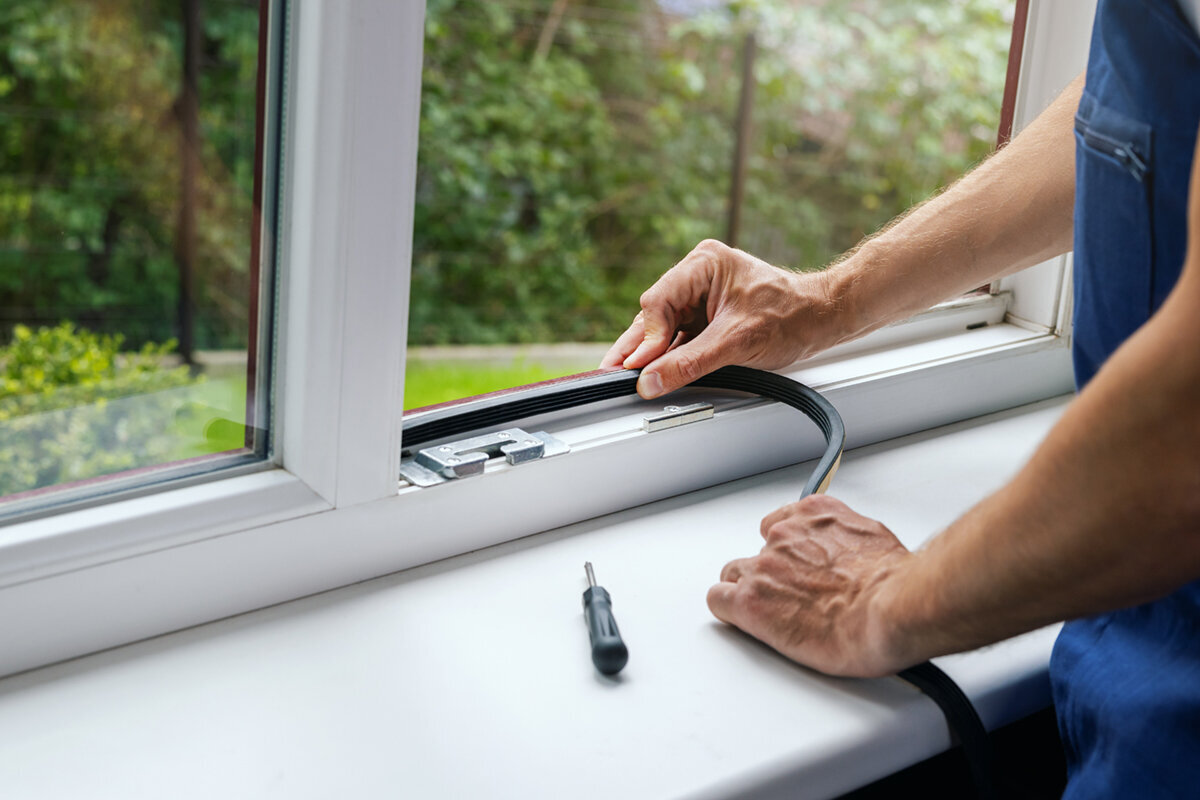
- Seal Gaps: Caulk windows and doors to avoid leaks.
—
6. Incorporate Smart Technology for Long-Term Savings
Modern smart home technology enhances convenience, security, and efficiency while reducing operational costs.
### Install Energy-Efficient Appliances
- LED Lighting: Uses 75% less energy than incandescent bulbs.
- Smart Thermostats: Like Nest or Ecobee, optimize heating/cooling.
- Energy-Star Rated Appliances: Lower electricity and water consumption.
### Automate Home Systems
- Smart Locks & Security Cameras: Enhance safety and remote monitoring.
- Home Automation Hubs: Control lights, HVAC, and blinds via smartphone.
- Water-Saving Fixtures: Low-flow toilets and faucets reduce utility bills.
### Consider Renewable Energy Sources
- Solar Panels: Lower electricity costs and may qualify for tax incentives.
- Wind Turbines: Viable in windy regions for off-grid homes.
- Rainwater Harvesting: Collect and reuse rainwater for irrigation.
—
7. Final Touches: Landscaping and Exterior Finishes
The exterior of your home impacts curb appeal, energy efficiency, and long-term maintenance.
### Choose Low-Maintenance Landscaping
- Native Plants: Require less water and fertilizer.
- Permeable Pavers: Allow rainwater to seep into the ground.
- Drought-Resistant Grass: Reduces irrigation needs.
### Optimize Exterior Insulation
- Reflective Roofing: Reduces cooling costs in hot climates.
- Ventilation Gables: Improve airflow and reduce heat buildup.
- Outdoor Lighting: LED motion sensors save energy.
### Protect Your Investment with Quality Finishes
- Durable Siding: Vinyl or fiber cement resists rot and pests.
- High-Quality Paint: Protects walls from UV damage and weathering.
- Proper Sealing: Extends the lifespan of wood, stone, and concrete.
—
8. Post-Construction: Maintenance and Upkeep
A well-maintained home retains its value and avoids costly repairs.
### Establish a Maintenance Schedule
- Annual Inspections: Check for leaks, pest infestations, and structural issues.
- Seasonal Cleaning: Clear gutters, power wash siding, and service HVAC systems.
- Prompt Repairs: Address small issues before they escalate.
### Monitor Energy and Water Usage
- Track Utility Bills: Identify inefficiencies early.
- Install Smart Meters: Provide real-time energy consumption data.
- Fix Leaks Immediately: A
About the Author