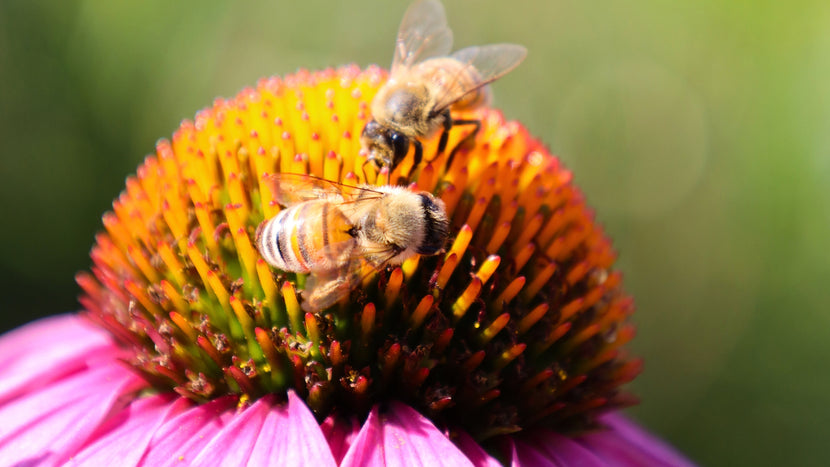
Imagine a world without colorful flowers, fresh fruits, or thriving green landscapes. It sounds dull—and alarming—because this is exactly what could happen without pollinators and the plants that support them. Pollinator plants are not just beautiful additions to gardens and wild spaces; they are the silent engines powering ecosystems, food systems, and environmental balance across the planet.
From buzzing bees to fluttering butterflies, pollinators depend on specific plants for survival—and in return, they help these plants reproduce. This mutually beneficial relationship is one of nature’s most important partnerships, and its impact reaches far beyond what we see.
What Are Pollinator Plants?
Pollinator plants are flowering plants that provide nectar, pollen, or shelter to pollinators such as bees, butterflies, birds, bats, and even some insects like beetles. These plants are specially adapted to attract pollinators through bright colors, inviting scents, and nutrient-rich nectar.
Examples include wildflowers, flowering shrubs, herbs, and trees. Whether growing in forests, farms, or backyard gardens, pollinator plants create essential habitats that allow pollinators to thrive.
Why Pollinator Plants Matter So Much
1. They Support Food Production
One of the most critical roles of pollinator plants is their direct connection to food security. A large percentage of the fruits, vegetables, nuts, and seeds humans consume depend on pollination. Crops like apples, almonds, tomatoes, berries, and squash all rely on pollinators that first need healthy plants to survive.
Without pollinator plants, pollinator populations decline—and food production suffers.
2. They Maintain Biodiversity
Healthy ecosystems depend on diverse plants and animals working together. Pollinator plants help maintain biodiversity by supporting a wide range of pollinators, which in turn pollinate many different plants.
This diversity strengthens ecosystems, making them more resilient to pests, diseases, and climate changes. When pollinator plants disappear, ecosystems become fragile and imbalanced.
3. They Improve Soil and Air Quality
Pollinator plants often have deep root systems that help prevent soil erosion and improve soil structure. These plants also absorb carbon dioxide and release oxygen, contributing to cleaner air and reduced greenhouse gases.
In urban and agricultural areas, planting pollinator-friendly plants can significantly improve environmental health.
4. They Support Wildlife Beyond Pollinators
Pollinator plants don’t just benefit bees and butterflies. Birds, small mammals, and beneficial insects rely on these plants for food and shelter. Seeds, fruits, and foliage produced by pollinated plants feed countless species, creating a ripple effect throughout the food chain.
The Growing Threat to Pollinator Plants
Unfortunately, pollinator plants are under serious threat. Urbanization, deforestation, pesticide use, and climate change are reducing natural habitats where these plants grow. Monoculture farming—where only one type of crop is grown—also limits the diversity of plants pollinators need.
As pollinator plants disappear, pollinator populations decline, creating a dangerous cycle that threatens ecosystems worldwide.
How You Can Help Protect Pollinator Plants
The good news? Everyone can play a role in protecting pollinator plants, even with small actions.
Plant Native Species
Native plants are best adapted to local pollinators. They provide the right nectar, pollen, and blooming schedules that pollinators depend on.
Create Pollinator-Friendly Gardens
Whether you have a large yard or a small balcony, growing flowering plants can make a difference. Even a few pots of pollinator plants can provide vital resources.
Reduce Chemical Use
Avoid pesticides and herbicides that harm pollinators and the plants they rely on. Organic and natural alternatives are safer for the environment.
Support Green Spaces
Encourage the preservation of parks, wildflower meadows, and natural habitats where pollinator plants can grow freely.
Pollinator Plants and the Future of Our Planet
Pollinator plants are not optional—they are essential. They support food systems, stabilize ecosystems, protect wildlife, and help combat climate change. Without these plants, the natural world as we know it would struggle to survive.
By understanding their importance and taking simple steps to protect them, we help ensure a healthier environment for future generations. The next time you see a bee resting on a flower, remember: it’s not just a moment of beauty—it’s nature at work, powered by pollinator plants.
About the Author