Low-Income Home Repair Grants in Binghamton: Eligibility & Tips keeping a home safe, comfortable, and energy-efficient requires ongoing maintenance. But for many families living on a tight budget, especially in older urban neighborhoods, even minor repairs can become a heavy burden. In Binghamton, New York, an often-overlooked lifeline exists in the form of Binghamton low-income home repair grants. These programs are designed to provide critical support for those who need it most—ensuring homes remain habitable, efficient, and secure, regardless of income level.
Whether you’re dealing with a deteriorating roof, a faulty furnace in the dead of winter, or aging plumbing systems, there are programs in place that may be able to help. This comprehensive guide explores the ins and outs of Binghamton low-income home repair grants, including who qualifies, how to apply, and tips to increase your chances of approval.

Understanding Binghamton’s Low-Income Home Repair Grant Landscape
Binghamton, nestled in the Southern Tier region of upstate New York, is home to a diverse population and a mix of historic and aging residential properties. Many of these homes require updates to meet modern safety codes and energy standards. Unfortunately, not all homeowners have the financial capacity to carry out these repairs. That’s where Binghamton low-income home repair grants come into play.
These grants are often funded by a blend of local, state, and federal programs, and administered by city departments, housing authorities, or nonprofit organizations. Unlike loans, grants do not require repayment, making them especially appealing for households on limited incomes.
Common Issues Covered by Low-Income Home Repair Grants
Binghamton low-income home repair grants can cover a broad spectrum of repair needs. While each program may vary in its scope, many share a focus on health, safety, and energy efficiency. Here are some common repairs that may be eligible:
- Roof repair and replacement: Addressing leaks, mold, and weatherproofing.
- Electrical upgrades: Modernizing outdated or unsafe wiring.
- Plumbing fixes: From leaking pipes to water heater replacements.
- HVAC system improvements: Ensuring reliable heating and cooling.
- Structural reinforcement: Repairing foundation issues or sagging floors.
- Accessibility modifications: Installing ramps, railings, or ADA-compliant bathrooms.
- Lead paint remediation: Especially in homes built before 1978.
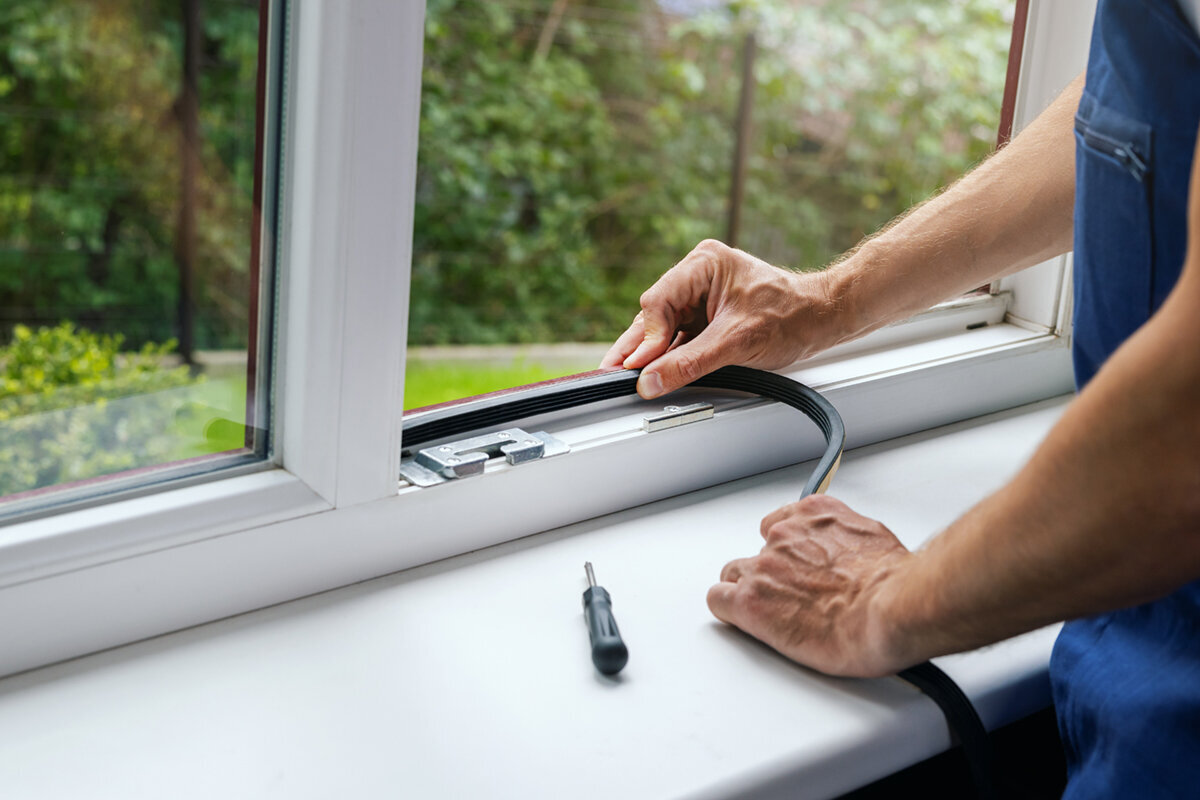
- Energy efficiency enhancements: Insulation, window replacements, and sealing drafts.
These grants don’t just preserve properties—they also improve quality of life, lower utility bills, and even prevent displacement.
Types of Home Repair Assistance Available in Binghamton
There’s no one-size-fits-all when it comes to Binghamton low-income home repair grants. Different programs exist for various needs, homeowner situations, and types of properties. Here are some of the most relevant options:
1. City of Binghamton Housing Rehabilitation Program
This flagship municipal initiative targets both owner-occupied and rental units with funding to address health, safety, and code-compliance repairs. The program is often income-restricted and funded through federal sources like the Community Development Block Grant (CDBG) or HOME Investment Partnerships Program.
Eligibility is typically based on the U.S. Department of Housing and Urban Development (HUD) income limits.
2. Broome County Weatherization Assistance Program (WAP)
Administered locally, this program helps low-income households reduce energy costs by improving home energy efficiency. Eligible repairs might include insulation upgrades, furnace replacement, weather stripping, and more.
It prioritizes households with elderly residents, individuals with disabilities, and families with young children.
3. RESTORE Program (Residential Emergency Services to Offer Repairs to the Elderly)
This state-funded initiative is available to homeowners aged 60 and older who are at or below 80% of the area median income. It provides financial assistance for emergency repairs that pose immediate threats to health or safety.
RESTORE is a lifeline for elderly homeowners who may otherwise be forced into unsafe living conditions.
4. Lead Hazard Reduction Program
For homes with potential lead paint hazards, especially those built prior to 1978, this program assists with abatement and remediation efforts. It helps protect young children from the neurological effects of lead exposure and keeps historic housing stock safe and livable.
Eligibility Requirements for Low-Income Repair Assistance
Eligibility criteria for Binghamton low-income home repair grants can vary depending on the program, but several standard requirements are often consistent across the board:
1. Income Thresholds
Most programs use HUD’s income limits, which categorize households as low, very low, or extremely low income based on area median income (AMI) and household size. For example, a family of four in Binghamton may need to earn less than a specific threshold—adjusted annually—to qualify.
Income documentation is typically required and can include pay stubs, tax returns, Social Security statements, or unemployment benefits.
2. Homeownership Status
Most grant programs require that the applicant own and occupy the property as a primary residence. Some programs may extend support to landlords or multi-unit property owners, particularly if units are being rented to low-income tenants.
Clear title and proof of ownership are usually necessary.
3. Property Condition
Homes must be in a state that justifies the repairs being proposed. Some programs may require an inspection or property assessment before approving grant funds. Others may focus specifically on health or safety-related repairs.
4. Location within Designated Areas
Certain grants may be targeted to specific neighborhoods or census tracts in Binghamton that are classified as needing revitalization or having higher concentrations of poverty.
5. Special Considerations
Households with seniors, people with disabilities, veterans, or children under six may receive priority consideration. Emergency situations, such as unsafe heating systems in winter, may also fast-track eligibility.
How to Apply for Binghamton Low-Income Home Repair Grants
Navigating the grant application process can seem overwhelming, but it becomes manageable with the right preparation. Follow these essential steps to increase your odds of success:
Step 1: Identify the Right Grant Program
Different grants serve different needs. Begin by researching which Binghamton low-income home repair grants align with your situation. Visit the City of Binghamton’s official website, contact Broome County’s housing services, or consult local nonprofit organizations like the First Ward Action Council or Catholic Charities of Broome County.
Step 2: Gather Documentation
Compile a complete package of required documents. These may include:
- Proof of income (W-2s, tax returns, Social Security statements)
- Proof of ownership (deed, mortgage statement)
- Photo identification
- Utility bills (for energy-related grants)
- Contractor estimates (sometimes required in advance)
Having everything ready expedites the review process and shows your commitment to the program.
Step 3: Complete the Application Thoroughly
Applications can typically be submitted online, by mail, or in person. Read instructions carefully. Incomplete or inconsistent responses can delay processing or lead to disqualification.
Pay close attention to deadlines. Some programs have rolling admissions, while others operate on a first-come, first-served basis.
Step 4: Participate in an Inspection or Interview
If required, a city inspector or program coordinator may visit your property to assess the scope of the needed repairs. They may also ask questions about your living situation or financial condition to confirm eligibility.
Be honest, transparent, and prepared to walk them through the problems in your home.
Step 5: Await Approval and Fund Distribution
Once approved, funds may be paid directly to contractors performing the work or reimbursed to you upon completion. Some programs have preferred contractor lists or require use of licensed professionals.
Timelines for approval and work completion can vary. Be patient, but remain proactive in following up with the program coordinator if needed.
Pro Tips for Securing Home Repair Assistance
To stand out among a sea of applicants and improve your odds of receiving a grant, consider the following strategies:
1. Be Persistent but Polite
Programs often receive more applications than available funding. Staying in contact, asking thoughtful questions, and checking on your status can help keep your application top-of-mind.
2. Apply Early
Funds are typically limited and awarded on a first-come, first-served basis. The earlier you apply, the better your chances of receiving assistance.
3. Engage with Local Nonprofits
Organizations like housing counseling agencies can help you complete applications, gather documentation, or even discover grants you weren’t aware of.
4. Document Your Repair Needs Clearly
Photos, written descriptions, and contractor quotes can help paint a compelling picture of your home’s condition. Make it easy for reviewers to understand the urgency and importance of your request.
5. Maintain Your Property
Although it may seem counterintuitive, keeping up with smaller maintenance tasks can prevent your home from falling into disrepair and improve your eligibility for grants that focus on limited repair scopes.
Impact of Home Repair Grants on the Community
Beyond individual households, Binghamton low-income home repair grants play a pivotal role in neighborhood revitalization and community development. When homes are safe, functional, and visually appealing, entire blocks benefit. Crime decreases, property values stabilize, and community pride grows.
These grants also support the local economy by employing contractors, electricians, plumbers, and HVAC specialists—many of whom are Binghamton-based professionals.
There’s also an environmental angle. Programs that support energy efficiency improvements help reduce carbon emissions and make Binghamton a more sustainable city.
A Path to Stability, Safety, and Dignity
No one should have to choose between paying for groceries or fixing a broken furnace. Binghamton low-income home repair grants ensure that low-income homeowners have access to the support they need to live in safe, dignified, and well-maintained homes.
These programs are more than just financial handouts. They represent an investment in the city’s future, helping residents weather life’s challenges and maintain stability even during hard times.
Final Thoughts
Navigating home repairs with limited resources doesn’t have to be a solitary struggle. With a wide array of Binghamton low-income home repair grants available, homeowners have real options for safeguarding their homes, their health, and their peace of mind.
By understanding eligibility requirements, researching the most applicable programs, and approaching the application process with preparation and perseverance, Binghamton residents can tap into these vital resources and create safer, stronger homes—one repair at a time.
About the Author