As older homes continue to charm homeowners with their timeless appeal and historic value, they also pose unique challenges when it comes to energy efficiency. Many of these properties were built long before energy codes, insulation standards, or high-efficiency mechanical systems were common practice.
HVAC systems in such homes often struggle to keep up with modern expectations for comfort and performance. Fortunately, strategic HVAC upgrades can bridge this gap, helping older homes meet today’s efficiency standards without compromising their character.
Evaluating System Compatibility With Architectural Constraints
One of the first hurdles in updating an HVAC system in an older home is working around existing infrastructure. Traditional properties may lack the ductwork or layout necessary for conventional forced-air systems, making standard installation difficult or invasive.
This is where modern HVAC options like ductless mini-split systems, high-velocity units, or hydronic heating become valuable alternatives. These technologies are designed to adapt to nontraditional spaces, offering installation flexibility and minimal disruption to original building materials.
By tailoring the installation to the structure, homeowners can achieve modern comfort while preserving architectural integrity. This also ensures that efficiency gains are realized without extensive demolition or remodeling.
Upgrading System Efficiency for Long-Term Savings
Older HVAC systems are typically less efficient than current models, especially if they were installed more than 15 years ago. Upgrading to newer units with high Seasonal Energy Efficiency Ratios (SEER) and Annual Fuel Utilization Efficiency (AFUE) ratings can lead to immediate improvements in both energy use and comfort.
Modern HVAC units are designed to respond more effectively to changes in temperature, distribute air more evenly, and operate with quieter motors and smarter controls.
It’s not just about replacing a furnace or air conditioner, though. Upgrades often include programmable thermostats, zoning systems, and variable-speed motors—all of which help fine-tune energy consumption based on usage patterns. These enhancements collectively allow older homes to meet today’s efficiency benchmarks without sacrificing performance.
Enhancing Insulation and Sealing for System Support
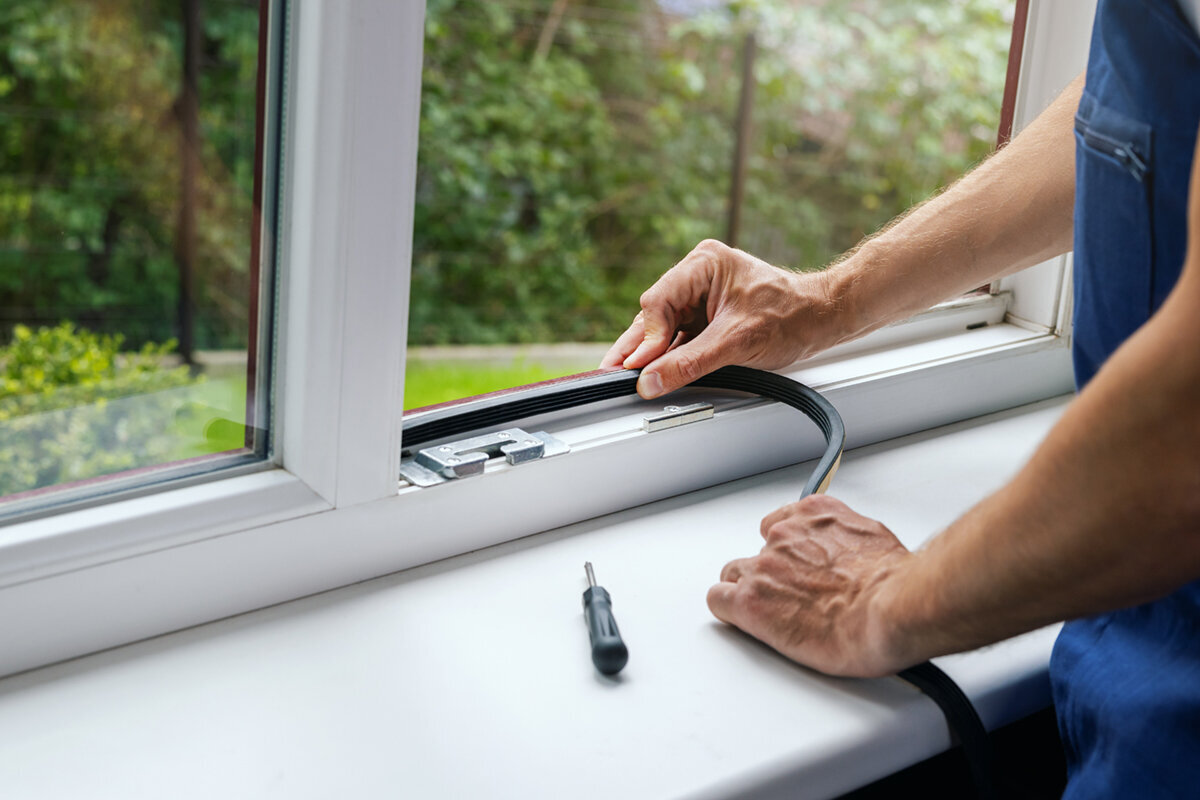
While installing a new HVAC system is a critical step, it’s equally important to address insulation and air sealing to support the upgrade. Many older homes were constructed before insulation standards were established, which means they can lose conditioned air through poorly sealed windows, doors, attics, and crawl spaces.
When combined with HVAC improvements, upgrading insulation and sealing reduces the workload on the system. Less strain means fewer repairs, a longer lifespan, and improved indoor comfort. This comprehensive approach ensures the upgraded HVAC system doesn’t have to work overtime to compensate for structural inefficiencies.
Leveraging HVAC Maintenance to Sustain Efficiency Gains
Once the system has been upgraded, consistent maintenance is essential to preserve its efficiency. Scheduled checkups, filter changes, and diagnostic testing prevent minor issues from turning into major problems. For homes that have recently undergone HVAC upgrades, working with a reliable HVAC maintenance service helps extend the life of the equipment and protects the investment.
Older homes are more susceptible to air quality issues due to dust, outdated ductwork, and other variables. Routine maintenance ensures the system runs cleanly and keeps indoor air quality at healthy levels, which is particularly important in properties where airflow patterns can be irregular or outdated.
Integrating Heating Installation With Modern Standards
In colder climates, efficient heating is just as critical as cooling, and outdated boilers or furnaces can be a major energy drain. Retrofitting a home with an energy-efficient heat pump or modern furnace helps align the home with contemporary heating expectations. The process of heating installation in older homes often involves coordinating with structural and mechanical limitations, which makes professional planning and execution crucial.
Today’s heating systems not only operate more efficiently but also provide consistent warmth without temperature fluctuations. Some models even integrate with smart home systems, enabling occupants to adjust settings remotely or automate temperature changes based on time of day or occupancy.
Embracing Smart Technology for Smarter Energy Use
Smart HVAC components are becoming increasingly common in efficiency-focused home upgrades. For older homes, this technology allows for more control and monitoring without requiring a complete overhaul. Smart thermostats, for example, learn household behaviors and adjust heating and cooling schedules accordingly. Sensors can track energy use, provide alerts when performance drops, and even offer remote troubleshooting.
These integrations provide actionable insights for homeowners who want to maintain high efficiency in aging properties. Instead of guessing when maintenance is due or if the system is running optimally, smart tech offers data that supports informed decision-making.
Preserving Character While Embracing Progress
What makes older homes unique—ornate moldings, plaster walls, original hardwood floors—also makes them more complex to renovate. But energy efficiency and historical preservation no longer have to be mutually exclusive. HVAC upgrades have evolved to meet the needs of these homes with less invasiveness, higher performance, and better adaptability.
Rather than forcing traditional installations into unsuitable spaces, modern solutions respect the structure and deliver results. From high-velocity systems to compact ductless units, today’s HVAC options open the door for enhanced comfort in even the most architecturally sensitive buildings.
Looking Ahead to a More Efficient Legacy
Investing in HVAC upgrades is more than a modern convenience—it’s a long-term commitment to the health, sustainability, and livability of a cherished home. As energy codes become more stringent and homeowners seek ways to reduce their environmental impact, updated heating and cooling systems are proving to be one of the most effective paths forward.
For older homes, these changes don’t just bring down energy bills—they extend the life and relevance of a property. With thoughtful planning and ongoing care, an upgraded HVAC system turns a charming but inefficient space into a home that meets the standards of today while preserving the elegance of yesterday.
About the Author