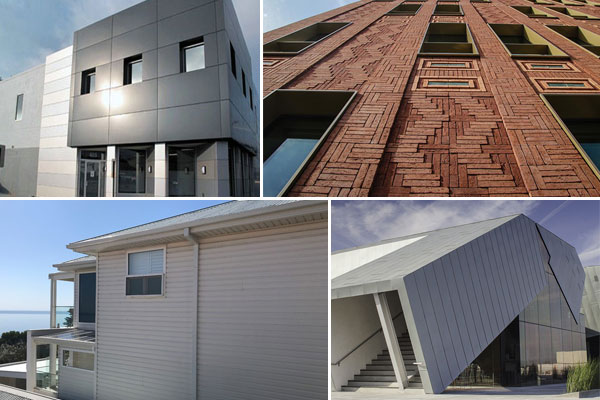
The exterior façade, or cladding, of a commercial building is far more than just a decorative skin. It is the structure’s primary defense against the elements, a critical layer for energy efficiency, and a powerful tool for establishing brand identity and aesthetic appeal. In the competitive commercial real estate landscape, the choice of cladding material dictates the building’s longevity, maintenance costs, and market perception. Selecting the right option requires a strategic balance, weighing factors like durability, fire rating, embodied carbon, and the desired visual impact. The decision ultimately transforms a structural necessity into an investment that maximizes both performance and marketability.
Modern construction offers a diverse palette of Nichiha Architectural Wall Panels – Exterior Cladding for Residential and Commercial Buildings options, each with unique advantages and trade-offs. The top materials used today are engineered to meet stringent performance requirements while providing the versatility necessary for distinct architectural expression, moving well beyond the basic brick-and-mortar solutions of the past.
High-Performance Glass Systems: Transparency and Light
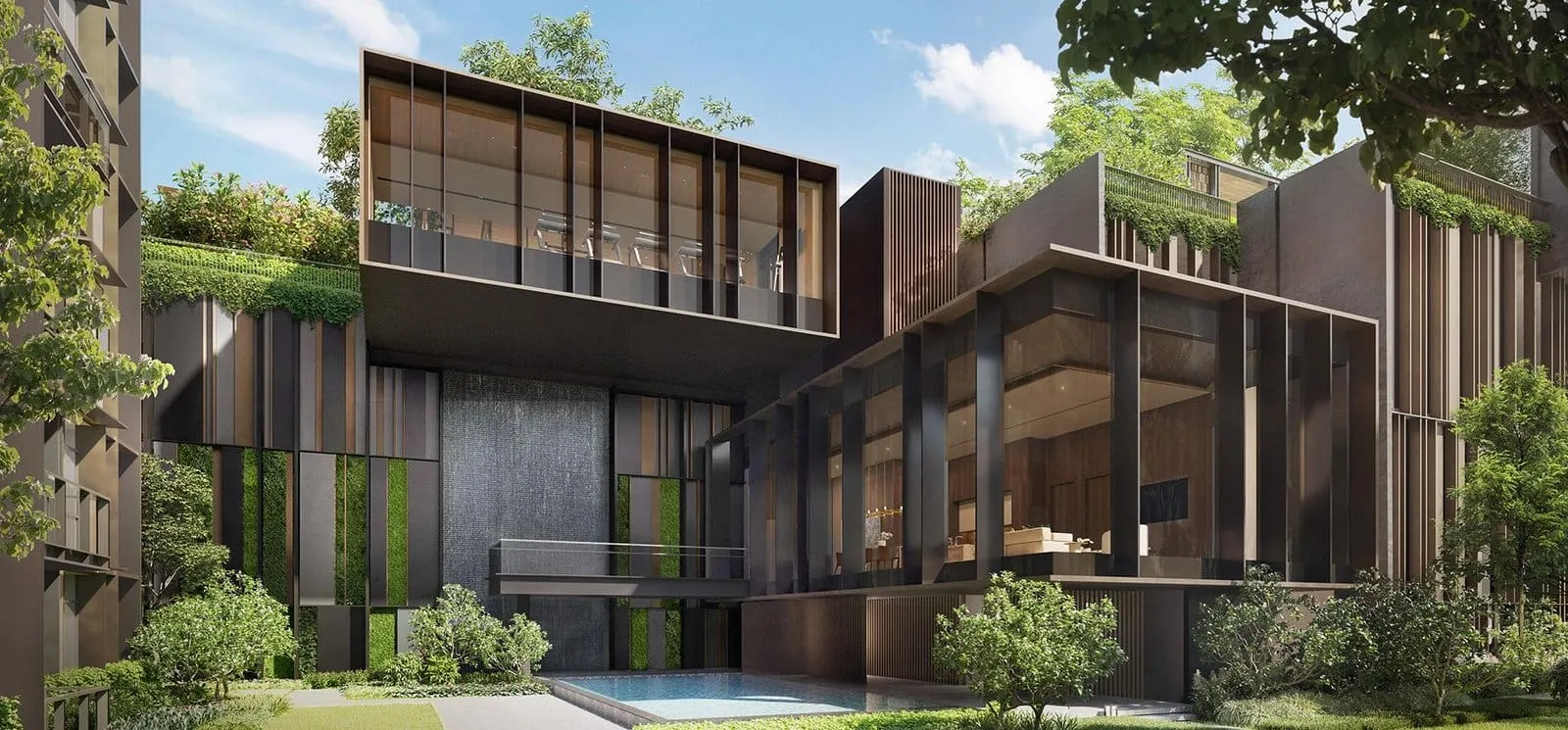
Glass curtain walls and window wall systems are perhaps the ultimate expression of modern, transparent design. They create buildings that maximize natural light, connect interior spaces with the external environment, and project an image of openness and sophistication, making them a top choice for corporate headquarters and high-rise commercial towers.
The key to successful glass cladding lies entirely in the thermal performance. Today’s systems use high-performance, low-emissivity (Low-E) coatings and double or triple glazing to manage solar heat gain while retaining interior heat. Low-E coatings selectively reflect infrared radiation, keeping the building cool in summer and warm in winter, drastically reducing reliance on HVAC systems. Structural integrity is ensured by robust aluminum framing, often thermally broken to prevent heat transfer through the metal itself. While glass systems offer unparalleled natural light (a major boost to employee well-being), the initial cost and maintenance requirements for sealing and cleaning can be high.
Fiber Cement Siding: Durable and Cost-Effective Versatility
Fiber cement siding, a composite material made of cement, sand, and cellulose fibers, offers a versatile, durable, and highly cost-effective solution for commercial properties, particularly those with a mid-rise or campus-style design.
Its primary appeal lies in its ability to convincingly mimic the look of other materials, such as wood clapboard, cedar shingles, or traditional masonry, without the associated maintenance issues. Fiber cement is highly resistant to fire, rot, termites, and weather extremes, making it a low-risk, long-life investment. It is often chosen when a project requires a warmer, more traditional aesthetic but demands the fire resistance and minimal maintenance of engineered materials. The material is typically installed as part of a rain screen system and is valued for its contribution to a building’s thermal envelope and its overall longevity, often warrantied for 50 years.
Brick and Masonry: Timeless Durability and Heritage
Traditional brick, stone, and architectural block masonry remain a powerful and enduring choice, particularly where the design seeks to convey permanence, heritage, or a classic institutional feel. While labor-intensive to install, the long-term benefits are substantial.
Masonry offers unmatched durability, fire resistance, and thermal mass. The thermal mass of brick absorbs and releases heat slowly, helping to stabilize interior temperatures and reduce peak HVAC loads. It requires virtually no maintenance and can last for centuries, meaning its lifecycle cost is extremely low despite a higher initial investment. For branding, brick and masonry offer a sense of gravity and established trustworthiness, often preferred for academic, municipal, or historic restoration projects. Modern systems use thin-brick veneer systems or specialized anchor ties to integrate masonry into contemporary steel-framed buildings, combining the aesthetic of mass with the efficiency of modern construction techniques.
Conclusion: A Strategic Investment
Choosing commercial building cladding is one of the most consequential decisions in a construction project. It requires moving beyond simple material costs and evaluating the total lifecycle value. The ideal cladding solution balances aesthetic goals—to convey a specific brand message—with rigorous performance criteria—to ensure energy efficiency, durability, and safety. Whether opting for the sleek modernity of metal panels, the transparency of high-performance glass, the cost-effective durability of fiber cement, or the timeless strength of masonry, the final choice represents a strategic investment that determines the building’s identity, its operating costs, and its relevance for decades to come.
About the Author